Safe Money and Income (Adam Waskey)
6:00 pm - 7:00 pm
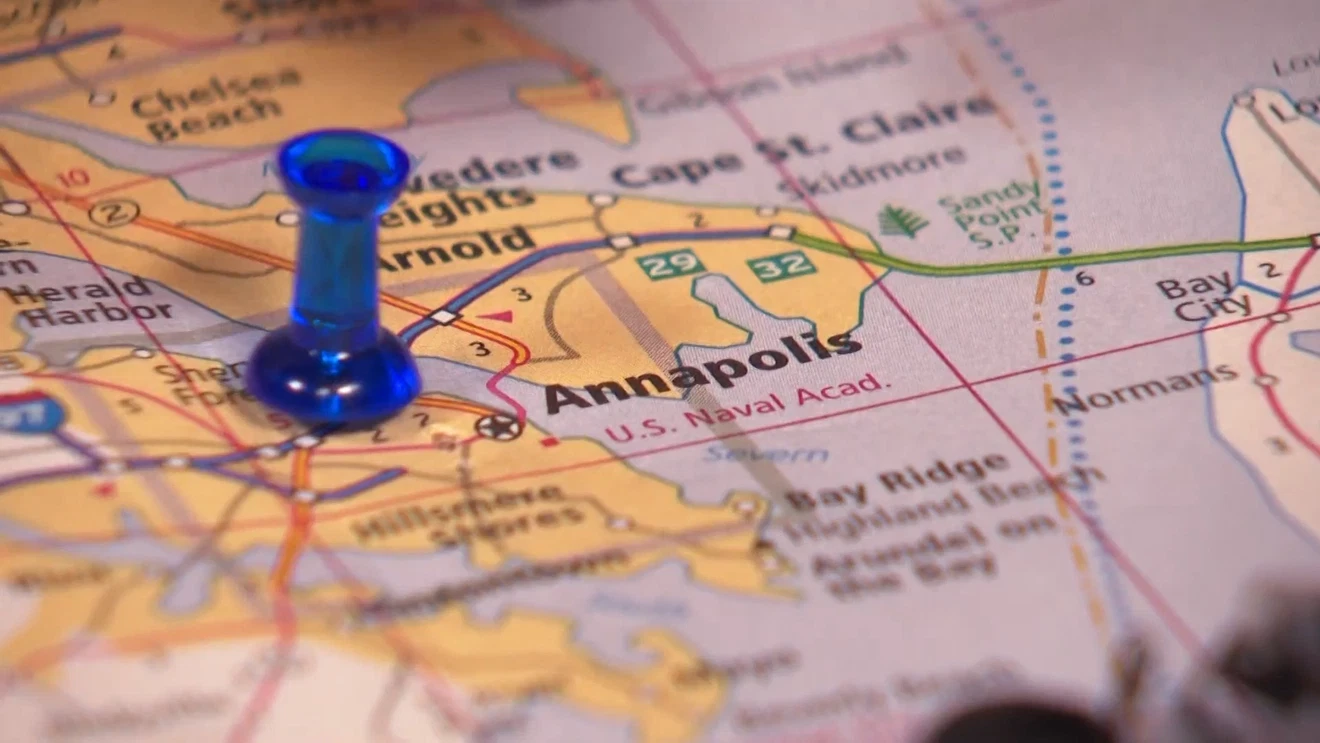
BALTIMORE, Md. (WBFF) — Maryland voters say they are frustrated by what they see as a disconnect between their views on several hot-button issues and the actions of lawmakers in Annapolis.
Liquor sales, congressional redistricting and juvenile crime have all been the subject of recent debate in Maryland. But polling shows voters’ priorities do not always align with the issues lawmakers have chosen to address.
“They say a lot of things to be elected, but once they get in there, it’s a whole new kind of story,” one Maryland voter said.
Another voter said he believes some lawmakers are more focused on themselves than their constituents.
One of the clearest examples is the debate over whether grocery stores should be allowed to sell beer and wine.
A 2026 Zenith Research poll found 79% of Maryland voters support allowing beer and wine to be sold in grocery stores, including 47% who strongly support the idea. The poll found support was at least 70% across every demographic, geographic, and political subgroup.
Despite that level of support, legislation to expand beer and wine sales has made little progress.
Delegate Ryan Nawrocki, a Republican, said the issue is more complicated than the polling might suggest because of its potential impact on Maryland’s small businesses.
“At a high level, I think that folks really agree with that change,” Nawrocki said. “But when they start digging deeper into the policy and you realize how many small businesses it impacts in Maryland, it becomes a bit more of a mixed bag.”
However, Nawrocki said voters understand what they’re asking for when it comes to issues affecting their wallets, including rising prices and energy costs.
The disconnect is also apparent in the debate over congressional redistricting.
A 2025 UMBC poll found that just 27% of Marylanders considered redrawing congressional district lines a high priority.
Still, lawmakers returned to Annapolis for a special legislative session focused exclusively on congressional mapmaking.
“We should have talked about affordability issues, energy issues, public safety issues,” Nawrocki said.
Some Maryland voters said they are skeptical of lawmakers’ motives regarding redistricting.
“I don’t know the nuances of it, but I think that each party, all they’re interested in is their own rear ends,” one voter said.
Public safety is another area where voters say they want lawmakers to take action.
A 2024 Gonzalez Poll found 58.3% of Maryland voters favored stricter laws for juveniles, including measures such as juvenile detention and boot camps, over more lenient approaches such as social programs and counseling.
One Maryland voter said he believes tougher laws are needed, pointing to car break-ins as an example.
“We do really need stricter laws against the youth,” he said.
Nawrocki, who has been critical of Maryland’s juvenile justice policies, said Democrats failed to address juvenile crime during the most recent legislative session.
“The Democrats did nothing in this legislative session in Annapolis to address that issue,” Nawrocki said. “In fact, I would argue that what they did further harmed that.”
He pointed specifically to changes involving when juveniles can be charged as adults for serious crimes.
Nawrocki said he believes some lawmakers are responding more to pressure from activists, lobbyists and protesters than to the broader electorate.
“There is a very radical base for the Democratic Party right now,” Nawrocki said.
The debate highlights a broader question facing Maryland lawmakers: When public opinion and legislative priorities don’t align, whom should lawmakers listen to?
 Local Story