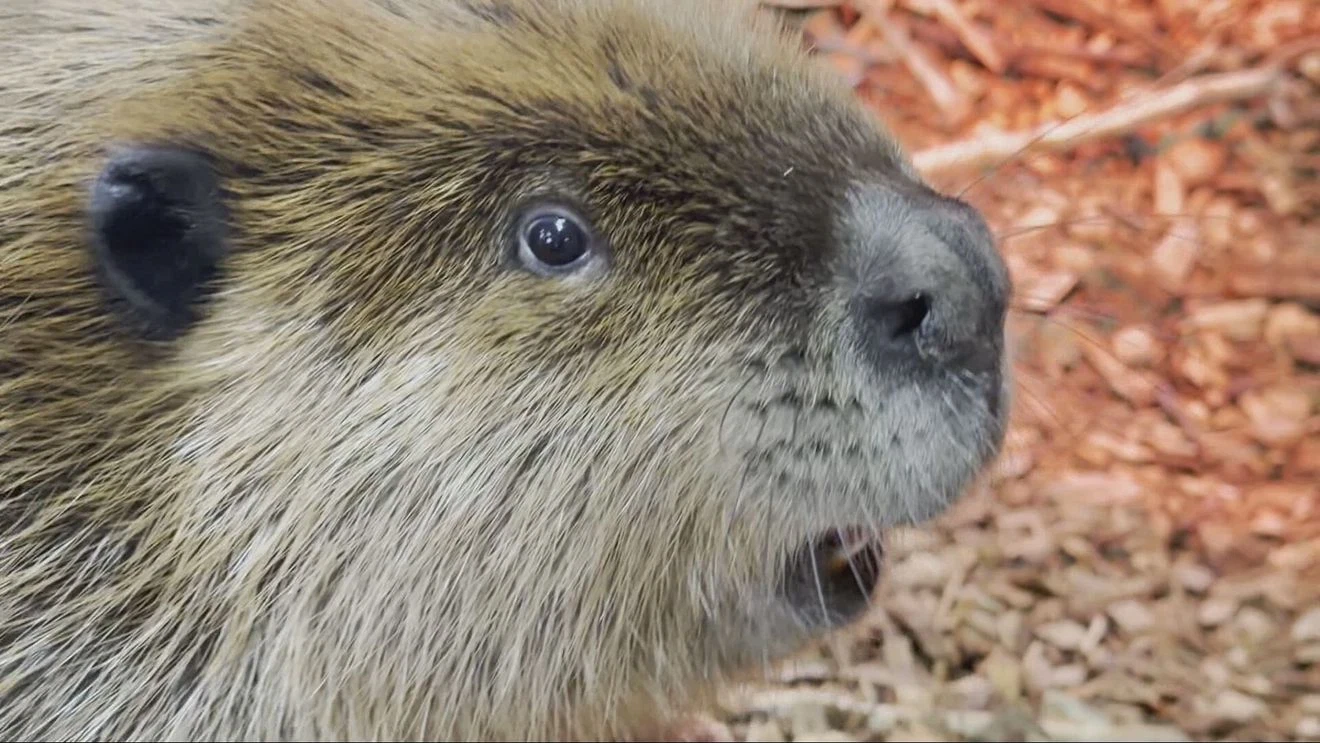
FREDERICK COUNTY, Md. (7News) — Three beaver attacks in Maryland over the past month have wildlife officials searching for possible connections, although a state biologist said there is no evidence so far of a broader trend or spike in rabies cases.
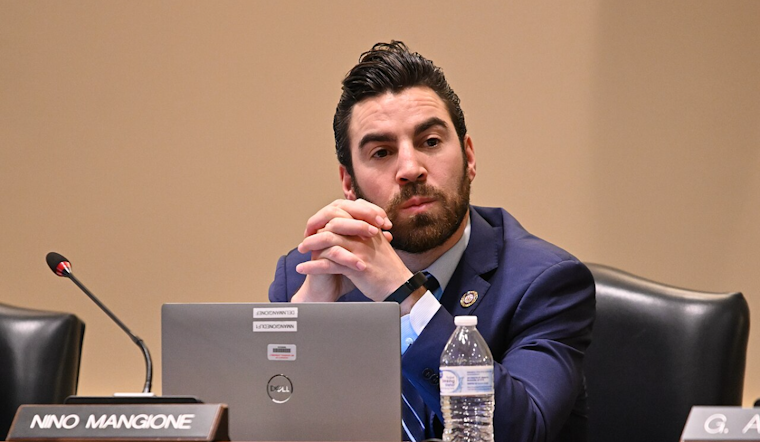
Josh Tabora, a furbearer biologist with the Maryland Department of Natural Resources’ Wildlife and Heritage Service, discussed the recent incidents Monday during an interview with 7News anchor Megan Clarke.
RELATED | Beaver attacks 10-year-old girl at Maryland’s Seneca Creek State Park
The most recent reported attack occurred Thursday at Seneca Creek State Park, where a 10-year-old was bitten while canoeing. It followed two reported attacks at Cunningham Falls State Park.
Tabora said DNR is examining similarities and other factors that could explain the incidents. However, discussions with health departments in Frederick and Montgomery counties have provided no indication of a geographic or numerical increase in rabies cases.
“At this time, a larger trend still evades us,” Tabora told 7News.
RELATED | Rabid beaver attacks 8-year-old boy in New Jersey park: reports
The beaver involved in the Seneca Creek incident was not captured. Tabora said DNR staff were in the process of recovering an animal found dead downstream to determine whether it could provide useful information. The agency is working with the Park Service and Montgomery County Animal Control.
Officials are also examining environmental factors, including water quality, algal blooms, water temperature and flow, but have not identified clear similarities between conditions at Cunningham Falls and Seneca Creek, Tabora said.
RELATED | Boy, 13, airlifted after beaver attack at Cunningham Falls State Park
Portions of Seneca Creek remain closed, including access from Berryville Road, and visitors could encounter additional closures around Route 28 and Black Rock. The area surrounding Clopper Lake and access from Clopper Road remain open.
Tabora advised visitors to exercise caution around Seneca Creek and avoid entering the water until further notice.
Despite the recent incidents, most areas of both Seneca Creek and Cunningham Falls state parks remain open.
RELATED | Second beaver at Cunningham Falls State Park tests positive for rabies
Tabora also advised people to maintain a safe distance from wildlife. He recommended starting with at least 25 yards between people and wild animals and keeping dogs on leashes, particularly around water and in state parks.
People should increase that distance to at least 50 yards if an animal displays possible neurological symptoms, including drooling, walking in circles, unusual aggression or excessive friendliness, and contact local authorities, Tabora said.
Seeing a typically nocturnal animal, such as a raccoon, during daylight hours does not by itself indicate rabies, he added.
Maryland officials continue to investigate the recent incidents and look for possible patterns.

 Local Story