Best of Sean Hannity
12:00 am - 1:00 am
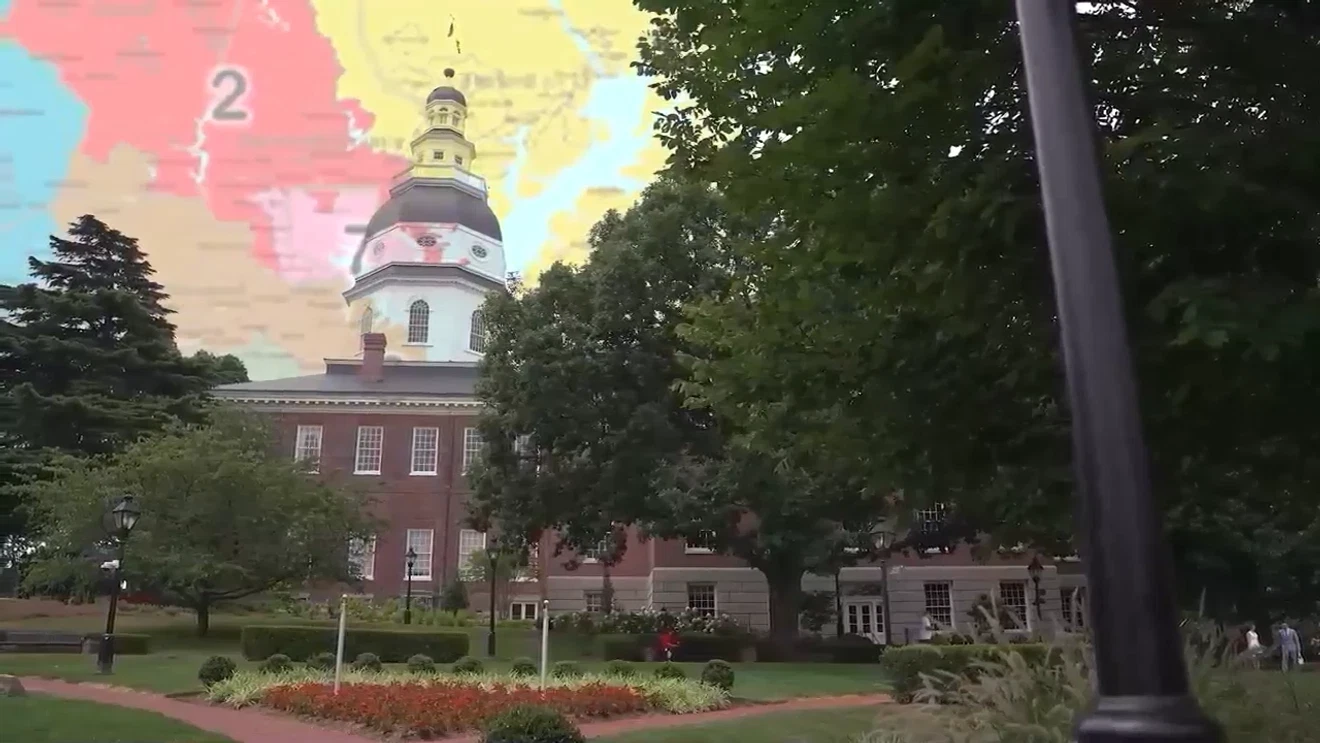
BALTIMORE (WBFF) — Maryland’s highest court will hear arguments next Thursday in the fight over whether a redistricting-related constitutional amendment can appear on the November ballot, according to an online schedule.
The Supreme Court of Maryland scheduled oral arguments for Sept. 3 in the lawsuit over the proposed constitutional amendment. The court lists the case as a direct appeal under Maryland Election Law. Assistant Attorney General Daniel Kobrin will represent the state, while Samuel Everett Dewey and Kyle Brosnan are listed as attorneys for the challengers.
The expedited hearing comes just eight days after Anne Arundel County Circuit Court Judge Robert Thompson blocked Question 3 from the November ballot, finding lawmakers failed to follow election laws they enacted earlier this year and that the ballot wording itself is misleading.
Thompson immediately stayed, or paused, his injunction, however, allowing the state to appeal directly to the Supreme Court of Maryland.
Gov. Wes Moore’s office confirmed Wednesday that the appeal had been filed.
“We respectfully disagree with the Circuit Court’s decision and have already filed our appeal to the Maryland Supreme Court,” said Ammar Moussa, a spokesperson for Gov. Moore.
At the center of the lawsuit was Senate Bill 29, an election law approved earlier this year that outlined deadlines for ballot questions.
Among those requirements, the Secretary of State must prepare and certify certain information by July 1, the State Board of Elections must provide a 15-day public comment period, and information about proposed constitutional amendments must be publicly accessible for at least 90 days before the general election.
During the August special session, HB 2100 was introduced and passed both chambers the following day.
During Tuesday’s hearing, Assistant Attorney General Daniel Kobrin argued on behalf of the state that the deadlines at issue did not apply because the General Assembly itself wrote the ballot question.
Kobrin argued the General Assembly gets its authority to propose constitutional amendments directly from the Maryland Constitution, telling the court, “Statute cannot defeat the Constitution.”
In the ruling, Thompson wrote that the General Assembly established laws governing the process of submitting proposed constitutional amendments to voters and concluded “the legislature itself must follow the means and methods those laws describe.”
Republican Senate Minority Leader Steve Hershey, one of the lawmakers challenging the amendment, predicted after Thompson’s ruling that the case would ultimately be decided by Maryland’s highest court.
“I think we all knew that no matter who won or who lost today, there would be an appeal and this would be decided at the Supreme Court,” Hershey told FOX45.
Senate President Bill Ferguson maintains lawmakers acted within their authority.
“I am confident the General Assembly acted squarely within its constitutional authority, and I believe the courts will ultimately affirm that authority,” Ferguson said. “Marylanders deserve the right to vote on this question.”
Follow Political Reporter Mikenzie Frost on X and Facebook. Send tips to mbfrost@sbgtv.com.
 Local Story