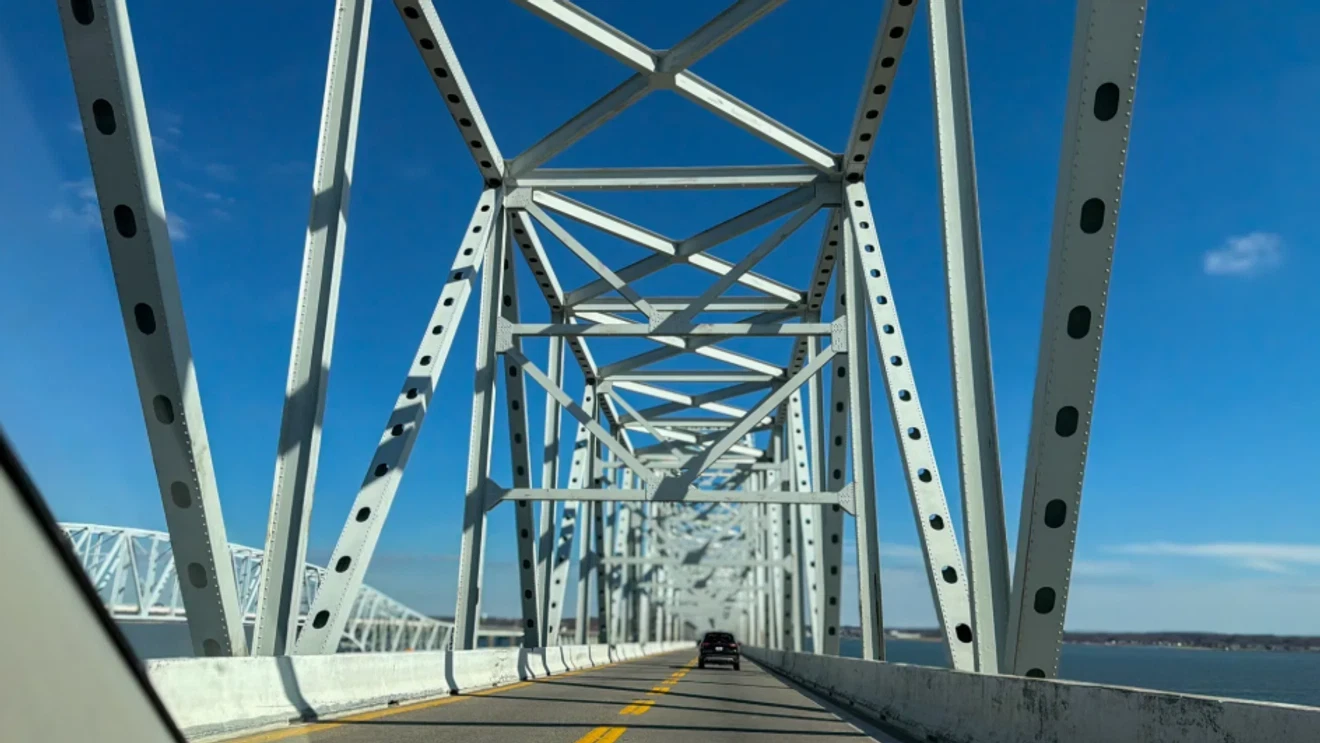
MARYLAND (WBFF) — Maryland transportation officials have received final federal approval for the Chesapeake Bay Crossing project, setting the stage for a new era of travel between the Eastern and Western Shores.
The Maryland Transportation Authority announced federal signoff with the release of the Final Environmental Impact Statement and Record of Decision for the Chesapeake Bay Crossing Study. The new bridge spans, called Alternative C, were selected for their cost-effectiveness and minimal environmental impact. Plans call for two new four-lane bridges with full shoulders across the bay to replace the current spans and improve safety, while also eliminating the need for costly repairs.
“Completion of the monumental Bay Crossing Study delivers a roadmap to the future and gives Maryland a critical approval for the next step of this project,” said Maryland Department of Transportation Secretary and MDTA Chair Katie Thomson. She added, “The approved crossing aligns with MDOT’s goals of enhancing safety, reliability and accessibility for Marylanders while delivering economic value for nearby communities and the entire state.”
MDTA Executive Director Bruce Gartner pointed to years of collaboration and outreach. “I want to thank the Bay Crossing Study team and Federal Highway Administration for their years of hard work and dedication in delivering this study and advancing innovative solutions that better connect all Marylanders to opportunities and each other,” said Gartner. He said the team engaged thousands of residents, community members, drivers and elected officials across the study area.
The chosen plans include:
MDTA plans to begin project design in 2028 and could start construction as soon as 2032. The agency operates Maryland’s toll bridges, tunnels and turnpikes using revenue from tolls, not from state gas taxes or vehicle fees.
The full environmental documents are available online at baycrossingstudy.com or at listed viewing locations. Those needing assistance can call 667-203-5408.
This federal approval marks the completion of the Chesapeake Bay Crossing Study and moves the project one step closer to breaking ground.
This post was originally published on Fox 45 by Sinclair Media Group.
 Local Story