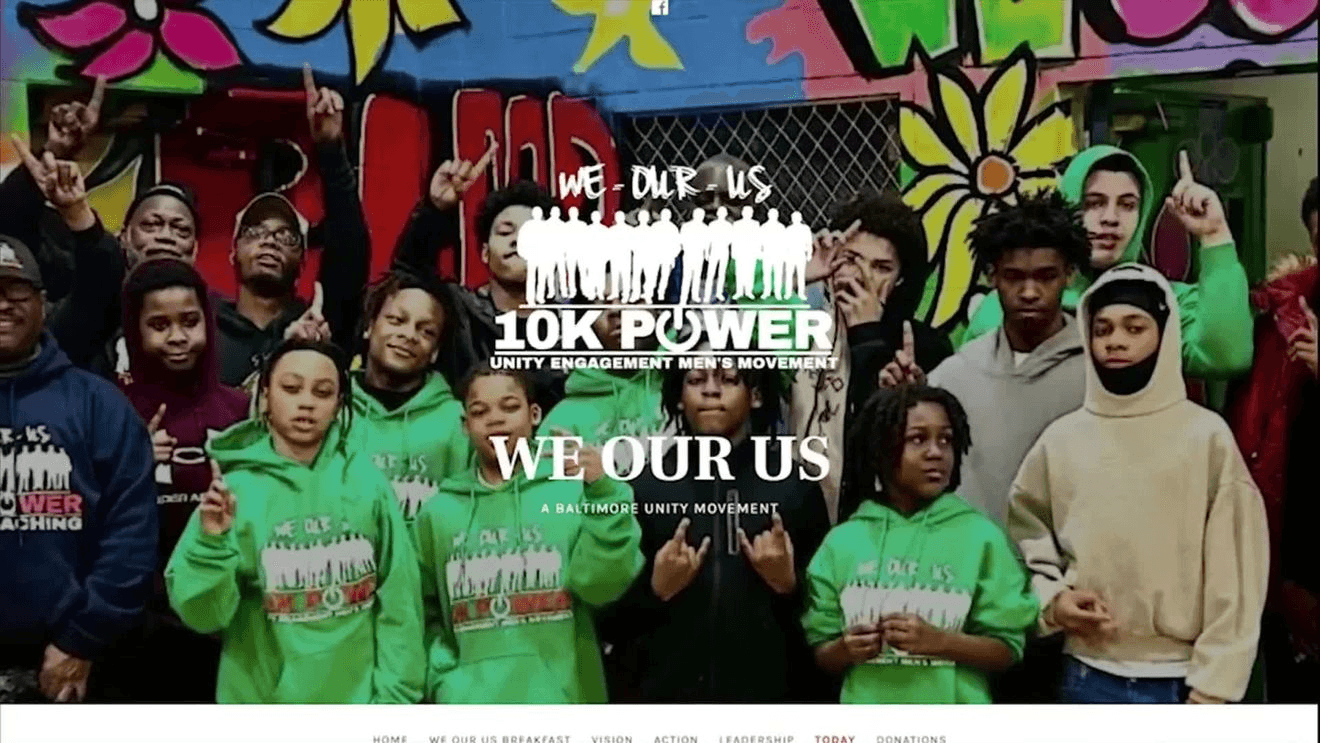
(WBFF) — Seven months after Maryland leaders announced $15 million in state tax dollars for non-profit organizations as part of an effort aimed at curbing crime, state records show the largest recipient, a Baltimore-based group called We Our Us, is not in compliance with state solicitation laws.
We Our Us received $6.1 million toward mentoring children. Rebuild Metro, the Downtown Partnership and other non-profits also received millions.
ALSO READ | Marylanders hit with fake court toll texts, complete with QR codes and AI summons
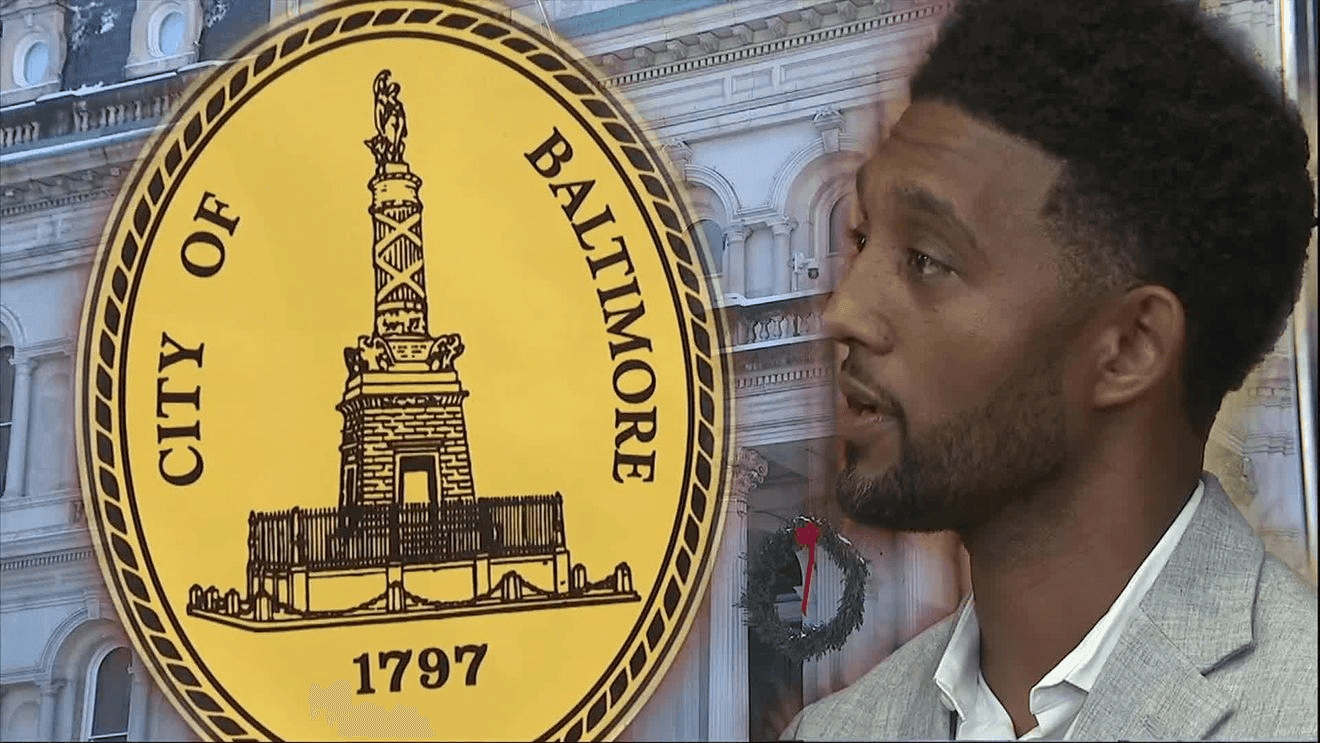
At the time the funding was announced, Maryland Comptroller Brooke Lierman defended the approach, saying, “Rebuilding wealth is a far wiser use of tax dollars than deploying armed forces.”
But critics questioned whether funding non-profits would reduce crime. “If funding non-profits was bringing down crime it would have already been reduced,” Delegate Kathy Szeliga said.
State records show We Our Us’ account is listed as “not current” and has not been in compliance since 2024, even though it has been seven months since the organization received the award.
Concerns about oversight and compliance have become a focus in Annapolis this session, where Delegate Ryan Nawrocki has co-sponsored three bills aimed at ensuring compliance for non-profits.
Nawrocki said performance measurement is often overlooked. “Frankly the guidelines are all over the place. There’s not uniform guidelines among agencies. We don’t think thats the way government should oeprate,” he said.
The state sent nearly 9,000 notices last year to non-profits with delinquent or incomplete accounts, levying $25 monthly fines until accounts are in compliance. Nawrocki questioned whether that penalty is meaningful for large grant recipients. “If you’re getting six million dollars in funding….what is $25 a month?” he said.
In an email sent last week, questions were submitted to Maryland’s top legislative leaders, including:
No replies were received.
Nawrocki said lawmakers should prioritize accountability for public spending. “They should be doing everything they can to insure every tax dollar is being used in an effective way because many of these same legislators want to go ask taxpayers for more taxes,” he said.

 Local Story