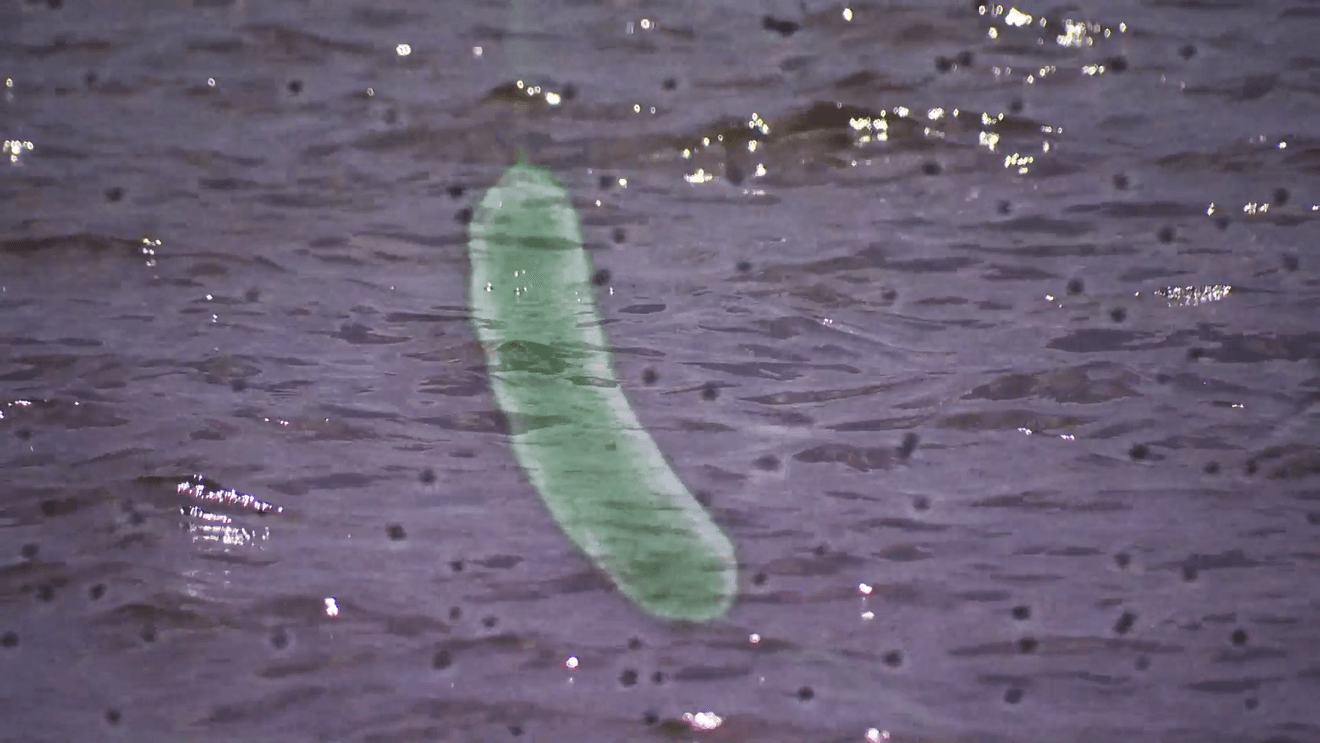
MARYLAND (WBFF) — As warm summer weather draws more people to the Chesapeake Bay, Maryland health officials are warning residents about an increase in cases of Vibrio vulnificus — a rare but potentially life-threatening bacteria commonly known as “flesh-eating bacteria.”
The Maryland Department of Health has confirmed 29 cases so far this year, along with 114 probable cases.
Doctors stress that infections remain uncommon, but when they do occur, they can become serious within hours if left untreated.
“Cases have gone up steadily over the past decade,” said Dr. Eric Wargotz, president of the Maryland State Medical Society. “As the water is warm, these potential pathogens grow and become in higher concentration and can cause more illness and possibly death.”
Vibrio vulnificus naturally lives in warm, brackish water and can enter the body through an open cut or scrape. Once inside, it can spread rapidly, causing redness, swelling, severe pain around the wound, fever, nausea and, in severe cases, sepsis.
“If you see these changes in a cut happening more rapidly than the normal healing process, then don’t take any chances,” Wargotz said.
He recalled treating a patient who initially dismissed concerns about the infection before later being diagnosed with Vibrio.
“He said, ‘I didn’t believe you when you told me, but it turned out to be some Vibrio something,'” Wargotz said. “They said, ‘If I hadn’t seen the doctor, there’s a chance my leg would have come off.'”
To reduce the risk of infection, health experts recommend avoiding contact with Chesapeake Bay water if you have an open wound, even a small cut or scrape. If a wound does come into contact with the water, it should be washed thoroughly with soap and clean water as soon as possible.
Doctors also recommend thoroughly cooking oysters and other shellfish, as consuming raw or undercooked seafood contaminated with Vibrio can cause gastrointestinal illness and, in some cases, severe bloodstream infections.
“It’s highly treatable with antibiotics, but you just have to be seen,” Wargotz said.
According to state health officials, Maryland recorded 11 deaths linked to Vibrio vulnificus infections last year, highlighting the importance of recognizing symptoms early and seeking immediate medical care if an infection develops after exposure to bay water.

 Local Story