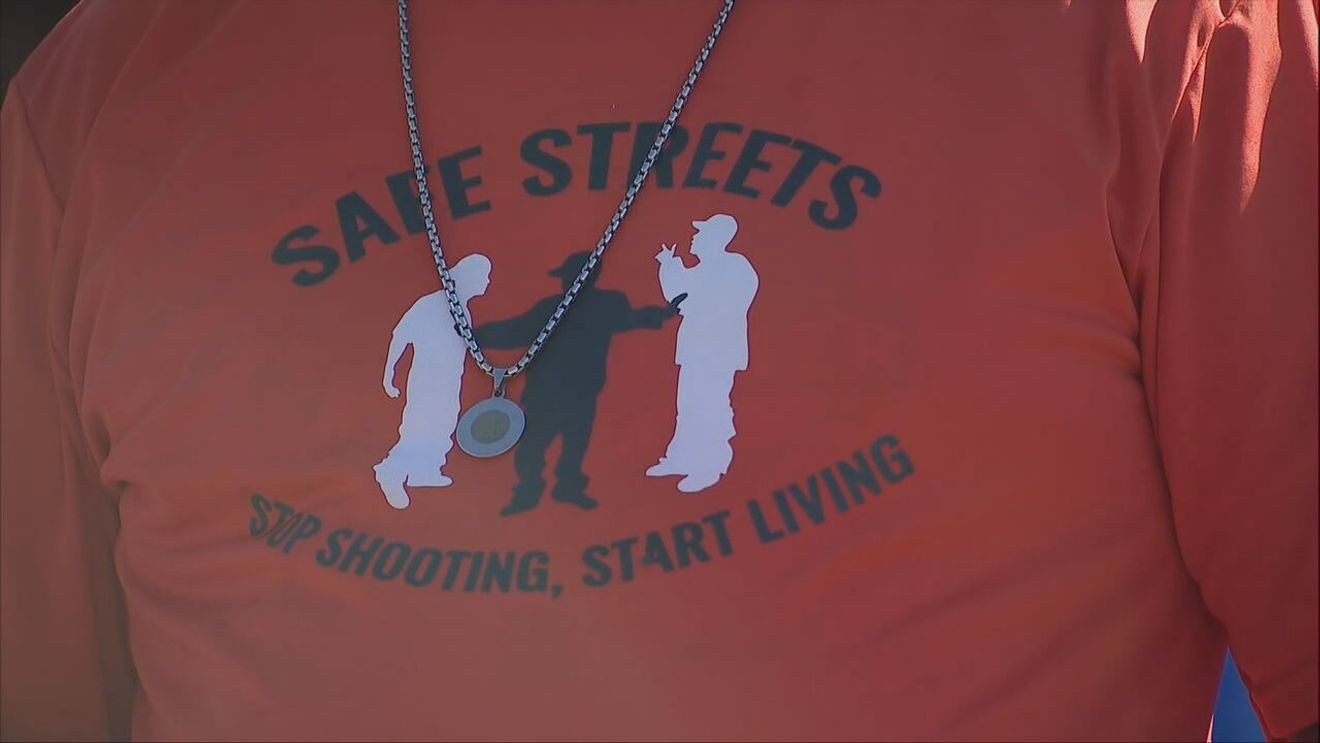
After 16 years, a new Johns Hopkins University study suggests Baltimore’s Safe Streets program is saving young lives — but that its effectiveness is increasingly uneven as youth violence evolves.
The study from the university’s Center for Gun Violence Solutions found the city’s violence interruption program was associated with a 42% reduction in homicides among Baltimore residents ages 15 to 24 between 2007 and 2023. Researchers also found a 21% reduction in nonfatal shootings among young people during the same period.
But the study also found the program’s impact varied dramatically across neighborhoods. While some communities saw youth homicides disappear entirely, others experienced significant increases, raising questions about whether a violence prevention model developed decades ago is keeping pace with social media-driven conflicts, changing neighborhood dynamics and easier access to firearms.
“This is encouraging evidence that Safe Streets is having an impact,” said Carla Tilchin, the study’s lead author and an assistant scientist at the center. “At the same time, the variation across neighborhoods tells us there’s still a lot to understand about what helps these programs succeed in different contexts.”
Researchers analyzed Baltimore Police Department homicide and shooting data from 2007, when Safe Streets launched, through 2023, examining outcomes in neighborhoods that hosted Safe Streets sites.
The overall trend was positive. But beneath the citywide numbers, the results were far from uniform.
Of the 10 neighborhoods included in the analysis, two — Brooklyn and Belvedere — saw significant increases in youth homicide rates during the study period.
Belvedere experienced a 46% increase in youth homicides and a 61% increase in nonfatal shootings among residents ages 15 to 24, according to the study. Brooklyn saw an 89% increase in youth homicides.
Those increases stand in stark contrast to other neighborhoods with Safe Streets sites. Penn North, for example, saw a 100% decrease in youth homicides over the study period.
Tilchin said that, having evaluated similar programs in other cities, it’s common to see a range of effects across program sites. She said it’s “difficult to know” why some neighborhoods are experiencing drops in teen violence while others are seeing increases.
“Each neighborhood has its own unique structures,” she said, adding that violence dynamics and policing approaches can differ from neighborhood to neighborhood. “So it’s really hard to pinpoint one specific thing that might be different across the neighborhood’s that’s contributing to that.”
Stefanie Mavronis, the director of the Mayor’s Office of Neighborhood Safety and Engagement, which runs Safe Streets, said the program has implemented improvements since 2023 to strengthen site operations. She said the data includes the July 2023 Brooklyn Day mass shooting, which killed two and left 28 others with gunshot wounds.
“There is some volatility in how you can interpret these results because we’re talking about human work that is different in every single neighborhood,” she said.
Read the full story on The Baltimore Sun’s website.
 Local Story