The Scott Jennings Show
8:00 pm - 10:00 pm

ANNAPOLIS, Md. (7News) — The Trump administration is escalating its push for states to strengthen election security ahead of the 2026 midterm elections, urging election officials to remove ineligible voters from registration rolls, enhance voting system security and work more closely with federal agencies.
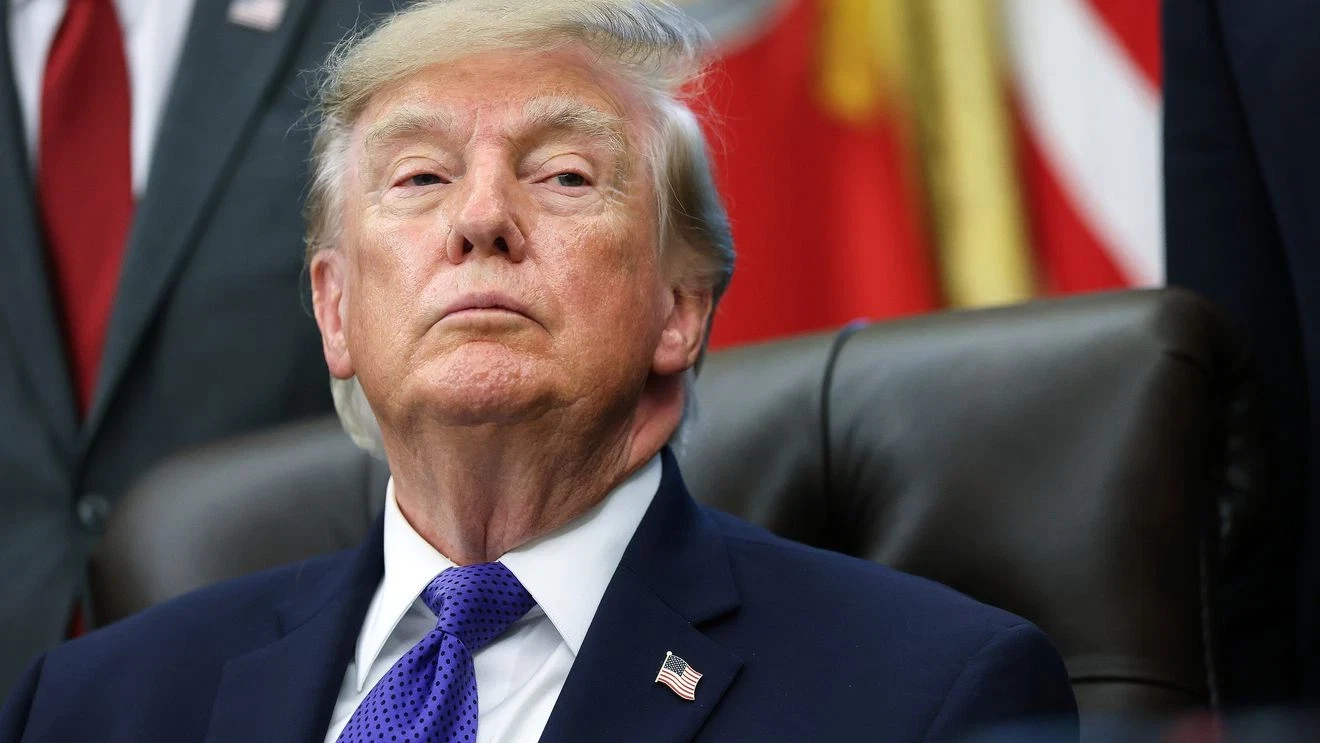
Homeland Security Secretary Markwayne Mullin outlined the administration’s priorities during a Friday news conference, one day after President Donald Trump delivered a nationally televised address focused on election integrity and alleged vulnerabilities in the nation’s election system.
The Department of Homeland Security said it has identified what it describes as hundreds of thousands of potential noncitizens on voter registration rolls in multiple states. The administration is also encouraging states to use the federal Systematic Alien Verification for Entitlements (SAVE) program to verify voter eligibility and has indicated future federal election reimbursements could be tied to enhanced election security measures.
During Friday’s news conference, Mullin said investigators had identified large numbers of potentially ineligible registrations.
“At just 4 states, we have identified 250,000 noncitizens registered to vote in California, and Pennsylvania, New Jersey, and Nevada. Plus 400,000 individuals that are still registered to vote that are deceased,” Mullin said.
According to DHS, the department has notified election officials in California, New Jersey, Nevada and Pennsylvania and requested they respond with plans to cooperate with the administration’s election integrity efforts. DHS has also said 23 additional states participating in the SAVE verification program have identified approximately 28,000 noncitizens on voter rolls and about 400,000 deceased individuals who remain registered, though the department has not publicly released documentation supporting those figures.
Election experts note that being registered to vote does not necessarily mean an individual will cast a ballot.
SEE ALSO | Declassified documents spotlight claims China acquired US voter data
The administration is also calling for stronger protections for election infrastructure, including voting equipment. Mullin said the Cybersecurity and Infrastructure Security Agency (CISA) plans to release an updated election infrastructure security strategy in the coming weeks.
The administration’s claims have drawn skepticism from election officials and political scientists, who say documented cases of noncitizen voting have historically been rare and have not been shown to affect election outcomes.
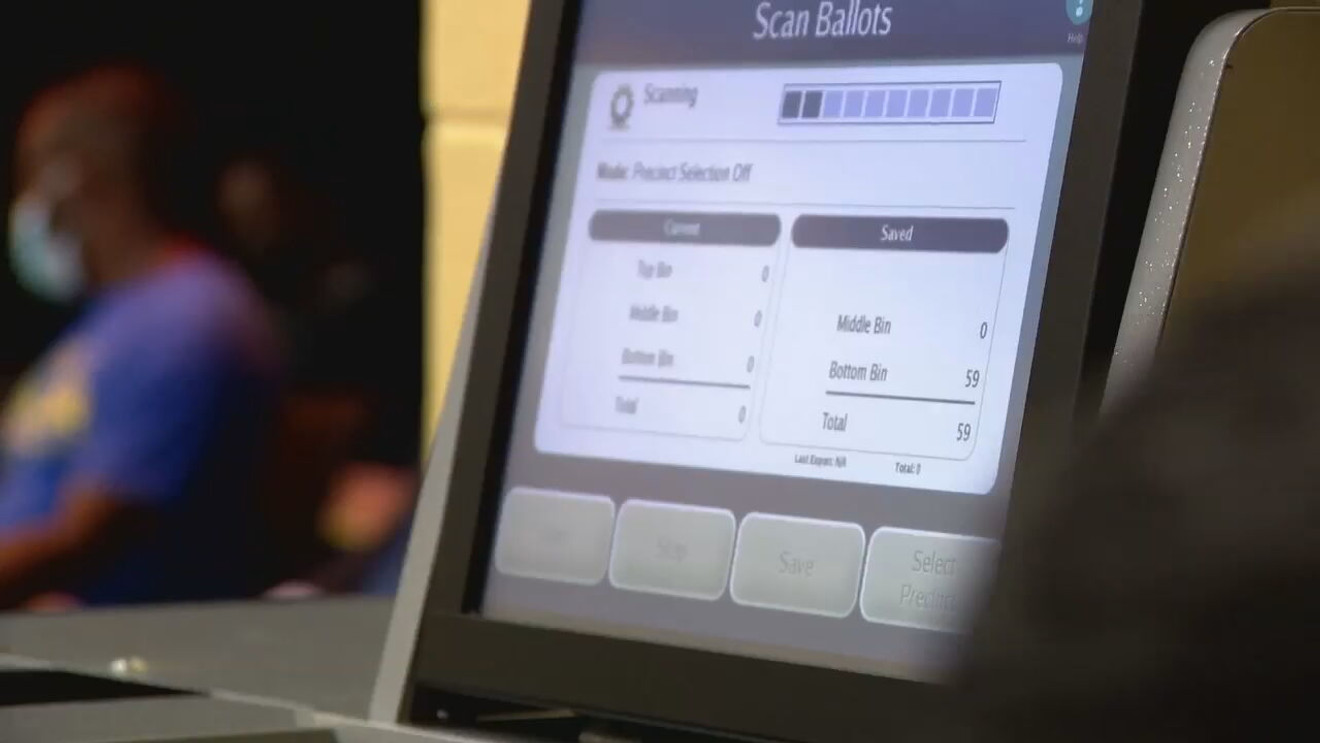
In Maryland, State Elections Administrator Jared DeMarinis defended the state’s election system, pointing to multiple layers of security already in place. Maryland conducts elections using paper ballots, performs public logic and accuracy testing on voting equipment before every election, completes post-election audits to verify results and continuously monitors election systems for cybersecurity threats.
DeMarinis has also rejected claims of widespread noncitizen voting in Maryland, saying there is no evidence of systemic problems with the state’s voter rolls.
Virginia election officials have similarly defended their systems, emphasizing that voting machines used to tabulate ballots are not connected to the internet and that elections are administered locally with multiple security checks and opportunities for public observation.
The renewed focus on election security follows President Trump’s Thursday evening address announcing the release of newly declassified intelligence documents related to alleged foreign efforts to target U.S. election infrastructure in 2020. The administration argues those documents highlight the need for stronger safeguards ahead of future elections, while election officials in several states continue to maintain existing protections are effective.
The debate is expected to continue as states prepare for the 2026 midterm elections, with the administration pressing for additional voter roll verification and election security measures while many state election officials maintain current safeguards already protect the integrity of the voting process.
 Local Story