A Baltimore man who previously worked in the city’s Safe Streets violence intervention program is facing drug and weapons charges after police say they found a loaded handgun and a substance believed to be cocaine during a traffic stop in West Baltimore.
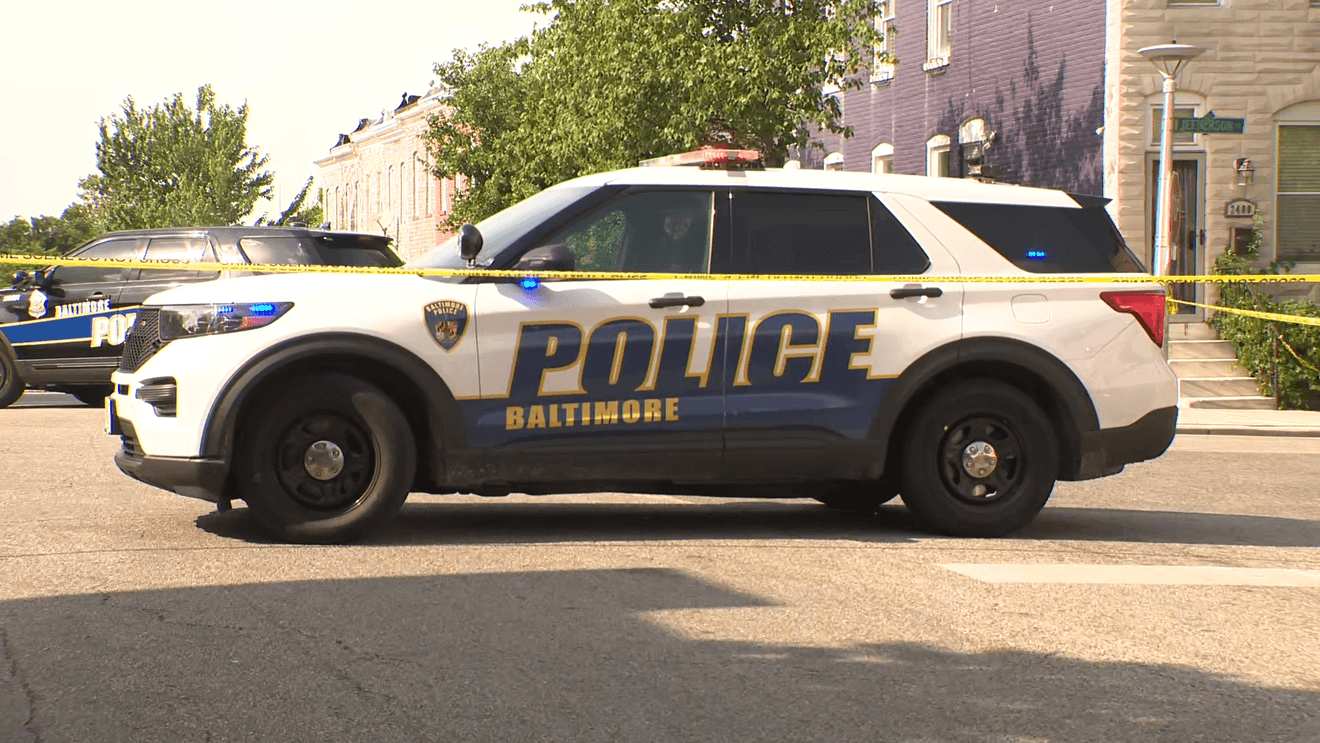
According to court records obtained by FOX45 News, officers pulled over a vehicle around 6:15 p.m. on April 28 in the 400 block of West Mulberry Street; the car had a suspended registration.
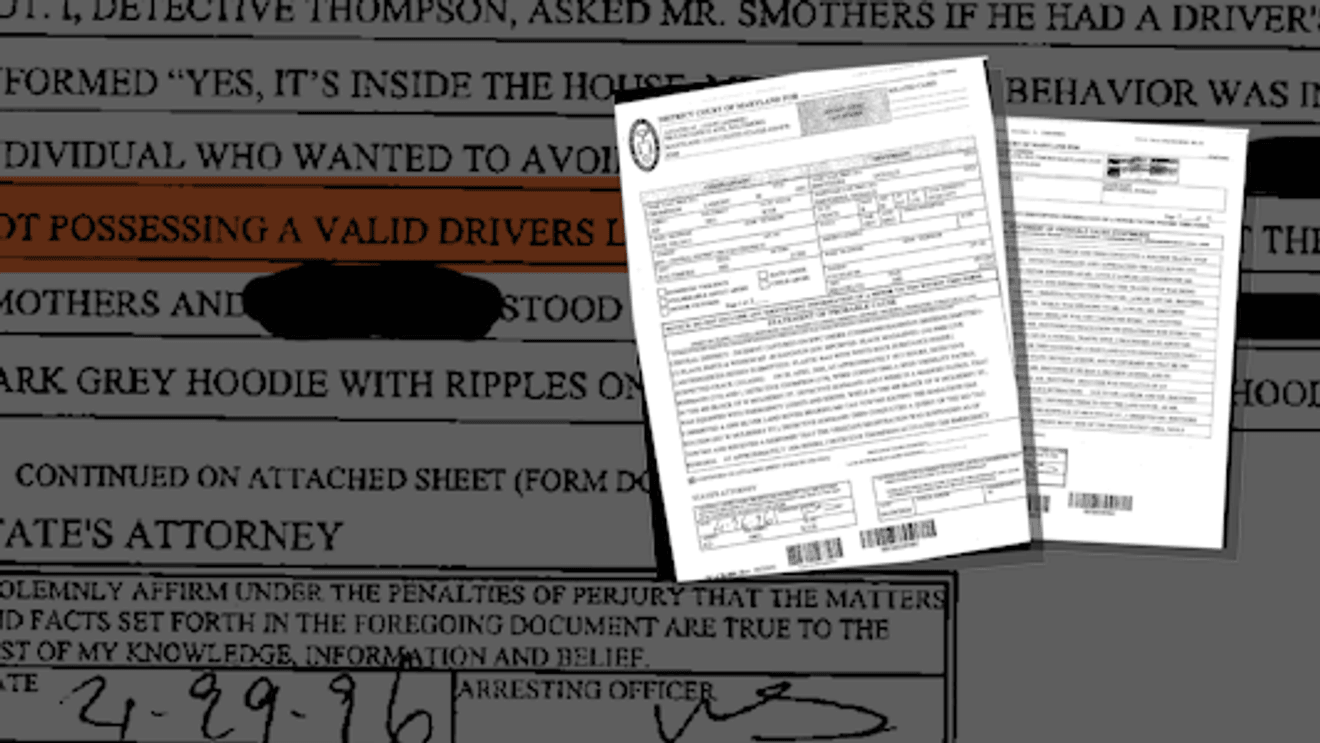
Baltimore Police say Donald Smothers was riding in the passenger seat. Court records show neither Smothers nor the driver had a driver’s license on them at the time.
Investigators say they found a loaded handgun and magazine on Smothers, along with what police believe was crack cocaine in his pocket. Police say Smothers does not have a handgun permit and, because of a criminal history dating back to the late 1990s, is prohibited from possessing a gun or ammunition.
Before he was booked and charged, Smothers told police, according to court records, that he was “experiencing a mental breakdown.” He was taken to a hospital and released hours later.
Social media images reviewed by FOX45 News show Smothers displaying Safe Streets gear, including towels and T-shirts. According to the Mayor’s Office of Neighborhood Safety and Engagement, or MONSE, which oversees the violence intervention program, Smothers briefly worked to stop gun violence.
He was part of the Cherry Hill pilot program, stationed at the Cherry Hill Town Center from June 30, 2025, to December 11, 2025. The Cherry Hill site is operated by Catholic Charities, one of two community-based organizations partnered with the city to run Safe Streets across 10 Baltimore sites.
A MONSE spokesperson said human resources matters are confidential and that the agency “respects those boundaries,” adding that Catholic Charities would not comment on Smothers’ specific situation.
Smothers’ criminal record includes a first-degree murder conviction in 2003 tied to a 2002 Cherry Hill home invasion. The state’s Court of Special Appeals later vacated that conviction on a technicality, and Smothers later pleaded guilty to second-degree murder.
His ties to Safe Streets and his recent arrest have renewed questions about how the program screens and hires violence interrupters.
Those questions come as Antoine Burton, 51, was arrested and charged in connection with a June shooting in Park Heights. At the time of Burton’s arrest, he was a Belvedere Safe Streets violence interrupter, though per LifeBridge Health’s policy, remains on unpaid leave. LifeBridge Health operates the Belvedere Safe Streets site, along with sites in Woodbourne-McCabe, Belar Edison, McElderry Park, Franklin Square, and Park Heights.
Surveillance video obtained by FOX45 News shows the shooting outside a gas station along Park Heights Avenue. In the video, a suspect police identified as Burton walks out of the store and fires multiple times at another man running away. The video then shows the suspect turn around, tuck away the gun and walk back into the store.
Burton’s criminal history stretches back three decades and includes robbery with a deadly weapon, escaping confinement, drug possession and, attempted second-degree murder. He is now facing the same charge in the latest shooting, along with attempted first-degree murder, assault and several weapons violations, including possession of a stolen gun.
Burton is also on federal probation stemming from a prior weapons case in which he pleaded guilty to having a semi-automatic pistol and ammunition.
FOX45 News asked LifeBridge about its hiring and screening practices for violence interrupters, given Burton’s probation status.
In a statement, LifeBridge said being on probation does not automatically disqualify someone from working with Safe Streets. The organization said the person’s full background and current situation are considered during the hiring and vetting process, and added that Burton was recommended by the community and was well known and respected by those he served.
LifeBridge said that when someone trusted to promote peace is accused of violence, “it is devastating and shakes the trust.”
Meanwhile, MONSE defended what the agency calls “rigorous hiring process” for all Safe Streets staff. A spokesperson said the process “reflects the importance and complexity of violence interruption work, as well as the need to select individuals who will be viewed as credible in the communities they serve.”
“It is for that same reason that the employment would be discontinued for any staff member who makes personal choices that do not uphold the integrity of the program’s mission and standards,” the spokesperson added.
Safe Streets employees are hired after passing a panel that includes members of the community, MONSE, Baltimore Police, and representatives from either Catholic Charities or LifeBridge Health. Candidates are then vetted by BPD, the community, and MONSE, according to the city agency, and then undergo background checks followed by monthly background checks.
“They then undergo a pre-employment background check followed by monthly background checks during their employment. During this process, we consider the totality of the individual’s credibility, relationship with the community, and any other mitigating factors,” the MONSE spokesperson said.
Jason Johnson, former deputy BPD commissioner and law enforcement expert, said Safe Streets needs credible messengers to be successful, and that comes with hiring people with lived experiences. But, he said, there should be better controls to ensure the current employees aren’t still getting involved with criminal activity.
“This is a difficult issue for the city, because the whole idea of the Safe Streets program is to have violence interrupters that have credibility in the community, meaning that they’re able to connect with people who are involved in violent crime and, and help pull them out of that life,” Johnson said. “In order to do that as a prerequisite, you sort of have to have a criminal background.”
But, Johnson said, “being on probation just doesn’t show enough of a track record.”
“Their duties are very specifically to pull people out of crime, so their involvement in crime, to me, sort of telegraphs that they are actually encouraging crime among other people because the types of crimes are involved here, drug trafficking and even violent crimes often require conspiracy,” Johnson added.
To restore trust between the community, Johnson suggested more transparency from City Hall about the program overall.
“I think that this might be that moment” to open up more about how the Safe Streets program operates, Johnson said.
“Even after Antoine Burden’s arrest, the mayor has still maintained his support for the program. But we just haven’t heard a lot about, ‘okay, maybe we need to revisit protocols.’ How about opening up the program so that really, people can see under the hood and the public can be ensured that there are proper protocols in place.”
Follow Political Reporter Mikenzie Frost on X and Facebook. Send tips to mbfrost@sbgtv.com.
 Local Story