SALISBURY, Md. (WBFF) — As Marylanders absorb some of the steepest electricity cost increases in the country, Gov. Wes Moore is defending claims on his campaign website that his administration has lowered energy bills.
A Spotlight on Maryland review of public data, prior reporting and the governor’s own comments shows a more complicated picture, with ratepayers still seeing historically high bills.
The issue is already becoming central to the 2026 election cycle, with energy costs emerging as one of the most visible affordability concerns across Maryland.
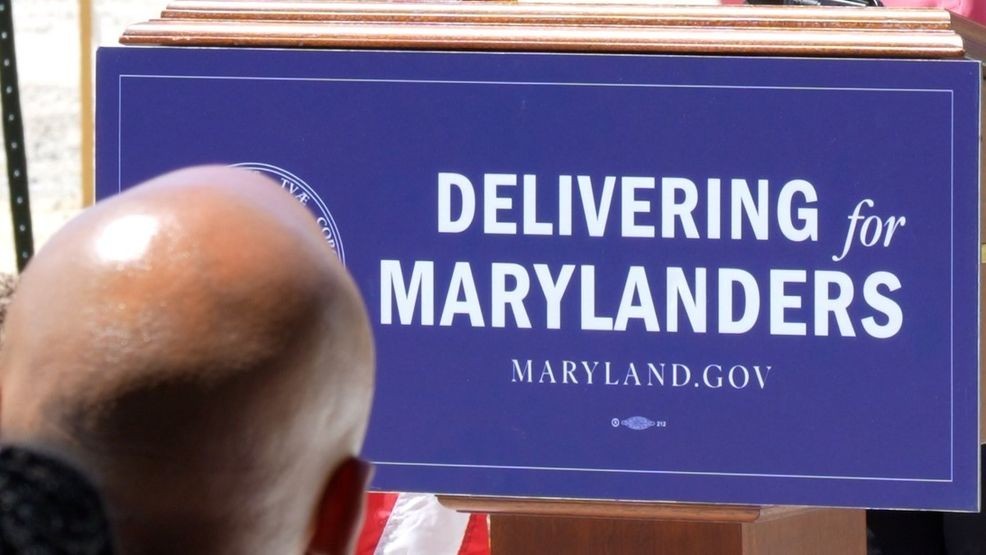
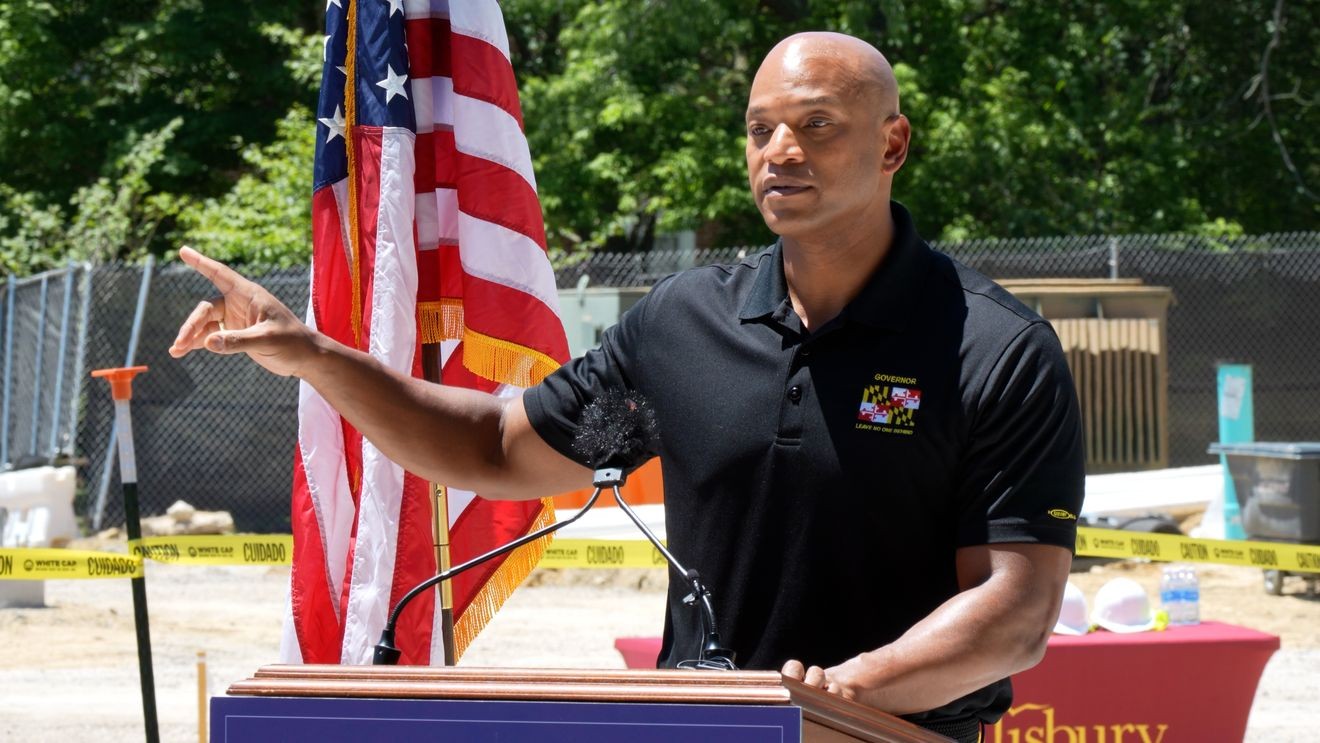
Maryland Gov. Wes Moore, a Democrat, visited Salisbury University on June 4, 2026, during his ‘Delivering for Marylanders’ statewide tour. (Steve Pierce/Spotlight on Maryland)
The governor has frequently blamed PJM Interconnection, the region’s electricity grid operator, Republicans and President Donald Trump for Maryland’s energy increases. Spotlight’s review found a major driver of the spike was set in motion before Trump returned to the White House.
In Baltimore’s Fells Point on Friday afternoon, Tayvon Smith said there’s enough blame to go around.
We vote for these people to help us out,” Smith said.
Asked whether energy bills are affordable, Smith answered simply: “Not really.”
According to data published in May by the U.S. Energy Information Administration, Maryland residential electricity customers have seen a 17% increase in electricity costs, placing the state among those with the highest increases in the nation. The rise comes as many households are already strained by inflation, housing costs, and other monthly expenses.
Spotlight on Maryland took those concerns directly to Moore during a “Delivering for Maryland” stop in Salisbury two weeks ago, asking why his campaign website says he has lowered energy bills when many ratepayers say their bills are higher than ever.
“Are you being misleading and are you leaving ratepayers behind?” Moore was asked.
I’m not being misleading,” Moore responded. “In fact, what I said is exactly what I stand by. We are watching energy prices skyrocket over the past year and a half.”
Pressed on what he is doing to cut costs in Maryland, Moore pointed to relief he said was approved by state lawmakers during the most recent legislative session.
“What we have done in terms of providing now $300 million of support for Maryland families and energy relief is a real thing,” Moore said. “That’s a fact-check thing.”
The governor’s office has previously announced $200 million in direct electricity bill rebates and a new $100 million round of utility bill rebates as part of legislation aimed at lowering costs, modernizing infrastructure and increasing local energy generation. Moore also signed the Utility RELIEF Act in May, which his administration says will save Marylanders at least $150 a year on energy bills.
A similar outline was provided by Moore’s office when pressed on Monday.
Ammar Moussa, a spokesperson for Moore, said in an email that the plan allocates $100 million per year for two years to the Megawatts for Maryland clean energy auction, along with $73 million for heat pumps serving low- and moderate-income households.
Moussa added that $100 million has been allocated to pay down Empower Maryland costs, thereby reducing the program’s surcharge. Another $38 million was outlined to reduce the costs of low-income programs at the PSC, thereby reducing the program’s impact.
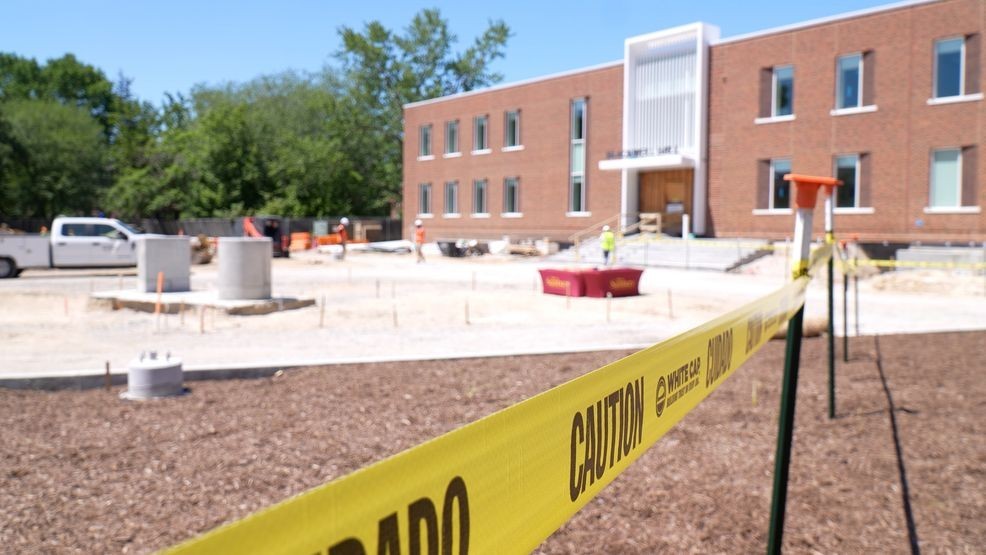
Maryland Gov. Wes Moore, a Democrat, visited Salisbury University on June 4, 2026, during his ‘Delivering for Marylanders’ statewide tour. (Steve Pierce/Spotlight on Maryland)
The $150 annual savings amount to an average of $12.50 per month for bills that are seeing triple-digit monthly increases in BGE and PEPCO’s territories.
ALSO READ | Is Maryland heading towards an ‘energy cliff’ due to Wes Moore’s green energy agenda?
Those measures also come after a major wholesale electricity shock that Spotlight on Maryland has previously reported is expected to hit Maryland ratepayers.
In 2024, PJM reported an unprecedented spike in capacity auction volume of more than 800% for the 2025-2026 delivery year. The Maryland Office of People’s Counsel found that the increase was driven in part by rising demand, market rule changes, and a reduction in supply capacity due to power plant retirements and reliability-must-run arrangements.
For some Maryland customers, the projected monthly impact varied widely by service territory. This increase did not account for additional costs, such as powerline transmission fees, and the increase in raw energy production reflected in residential consumers’ bills.
In Salisbury, Moore also pivoted to other consumer issues when asked about energy costs, including legislation banning electronic supermarket price manipulation, saying companies are “manipulating the data and they’re using it against you.”
He then placed blame on decisions made in Washington, D.C., including those related to foreign policy and national energy pressures.
“We see now unnecessary foreign wars that we prompted that are now making energy prices and gas prices more expensive,” Moore said, adding that governors wish they could do more but that some decisions are “uniquely the White House’s responsibility.”
That explanation only tells part of the story.
ALSO READ | Marylanders brace for skyrocketing energy costs in 2025 as fossil fuel power plants close
The 2024 PJM auction that helped trigger Maryland’s current electricity pressure occurred before Trump returned to the White House. State regulators and consumer advocates have focused heavily on grid capacity, power plant retirements, transmission constraints and market rules as key factors in the price shock.

An inactive high-voltage power line stretches from the defunct Three Mile Nuclear Generation Station on Saturday, February 1, 2025, outside Harrisburg, Pa. (Gary Collins/Spotlight on Maryland)
Moore said governors must still act where they can.
We are just going to do everything that we can do to make sure we are making life a little bit easier,” Moore said.
Asked whether he is doing enough, Moore did not provide a direct answer before the exchange ended.
Back in Baltimore, Smith said responsibility should not fall solely on one elected official.
“I feel like not just the governor but a little bit of everybody,” Smith said. “All of the local politicians we vote for. Everybody that got to do with our cost of living, living a normal life, have got to deal with it.”
Do you have any tips or information related to this story? Send news tips togmcollins@sbgtv.comor contact Spotlight on Maryland’s hotline at (410) 467-4670.
Follow Gary Collins on X and Instagram. Spotlight on Maryland is a collaboration between FOX45 News, WJLA in Washington, D.C., and The Baltimore Sun.
 Local Story