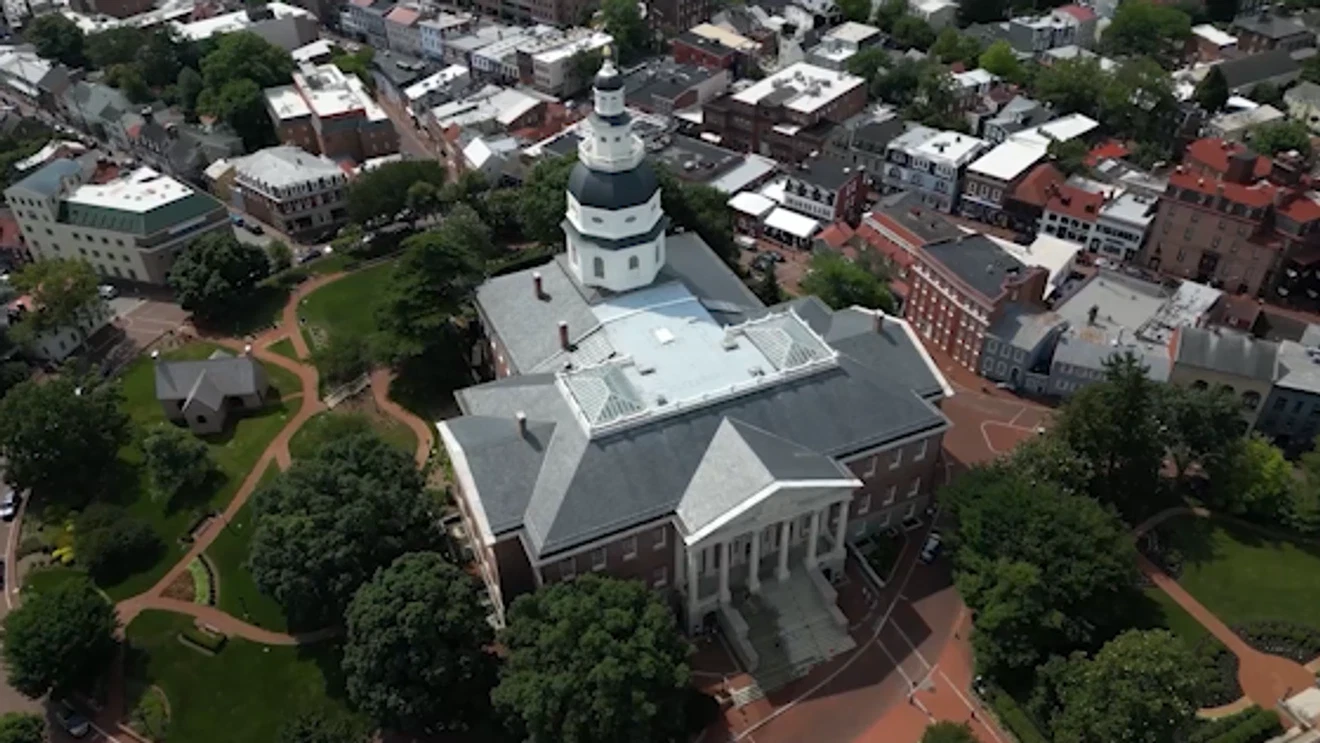
BALTIMORE (WBFF) — A two-day special session called by Maryland Democratic leaders to advance a redistricting-related constitutional amendment could cost taxpayers as much as $50,000, and the legislation lawmakers passed is already facing a legal challenge.
The special session was called as lawmakers worked to get the proposed constitutional amendment before Maryland voters in November.
The final cost of the session will depend in part on how many qualifying lawmakers seek reimbursement. Legislators can receive up to $125 per day for lodging and $63 per day for meals.
While the potential $50,000 cost represents a fraction of Maryland’s roughly $67 billion budget, the legal fight over the legislation could add another expense as the state defends the measure in court.
Republican lawmakers filed a lawsuit shortly after the legislation passed, arguing the General Assembly failed to follow Maryland law governing the deadline for placing a constitutional amendment on the November ballot.
“The Maryland General Assembly was not following its own law that we all agree to,” Senate Minority Leader Steve Hershey said during an appearance on FOX45’s In Depth with Mikenzie Frost.
The lawsuit argues lawmakers missed a July deadline and also challenges whether the ballot language meets legal requirements for clarity.
Democratic leaders dispute those arguments.
“I think this was a bit of a red herring,” Senate President Bill Ferguson said on In Depth. “I think the language is actually extremely clear.”
Marshall Yates, with the conservative watchdog group the Oversight Project, said the deadlines are important because they give voters time to understand what will appear on their ballots.
The Oversight Project is suing alongside all seven members of the Maryland Freedom Caucus, as well as the Senate minority leader and minority whip.
The lawsuit was filed in Anne Arundel County Circuit Court and names Gov. Wes Moore, the Maryland State Board of Elections and others as defendants.
Democratic leadership called lawmakers back to Annapolis for the mid-summer session, arguing there was an urgent need to put the proposed constitutional change before voters this November.
Ferguson pointed to a U.S. Supreme Court ruling in involving the Voting Rights Act and redistricting nationally as reasons lawmakers needed to act.
“I think the fundamental earthquake, the legal earthquake, was the United States Supreme Court’s decision in Calais that eviscerated the Voting Rights Act,” Ferguson said, arguing developments in other states represented “a radical departure from the norms of how our democracy has functioned.”
Yates, however, argued Democratic lawmakers had opportunities to act sooner.
“They waited until the very last second because they don’t want the voters to have sufficient knowledge to be able to understand what’s going on in the ballot,” Yates said. “They could have handled this the right way, but they didn’t.”
Republicans challenging the measure argue lawmakers cannot resolve the ballot timeline problem the way they believe they did.
“What they tried to do in this special session was essentially eliminate that, circumvent it completely by putting some fancy language in there, some notwithstanding language and saying we don’t have to actually follow the bill, the law that we just passed,” Hershey said.
The court will now have to weigh the competing legal arguments as the November election approaches.
Follow Political Reporter Mikenzie Frost on X and Facebook. Send tips to mbfrost@sbgtv.com.
 Local Story